3 Ways In Which The 20 Feet Container Influences Your Life


Understanding the 20 Feet Container: A Comprehensive Guide
On the planet of shipping and logistics, containers play a pivotal function in carrying products around the world. Amongst different sizes, the 20 feet container, typically called a TEU (Twenty-foot Equivalent Unit), is one of the most typically utilized containers in shipping and trade. This article looks into the characteristics, benefits, applications, and regularly asked concerns regarding the 20 feet container, offering a comprehensive resource for logistics professionals, traders, and businesses alike.
What is a 20 Feet Container?
A 20 feet container is a standardized shipping container that determines approximately 20 feet long, 8 feet large, and 8.5 feet high (or 2.44 meters x 2.44 meters x 2.59 meters). These dimensions permit it to hold a total volume of about 1,170 cubic feet (or 33.2 cubic meters) and can bring weights of as much as around 22,000 kg (or 48,500 lbs).
Standard Dimensions of a 20 Feet Container
| Measurement | Measurement |
|---|---|
| Length | 20 feet (6.058 m) |
| Width | 8 feet (2.438 m) |
| Height | 8.5 feet (2.591 m) |
| Volume | 1,170 cubic feet (33.2 m THREE) |
| Maximum Gross Weight | 24,000 kg (53,000 pounds) |
Advantages of Using a 20 Feet Container
The popularity of the 20 feet container can be credited to several benefits:
- Standardization
Shipping containers are widely standardized, which simplifies the logistics process. This standardization ensures that containers can be easily transferred in between ships, trucks, and trains. - Adaptability
20 feet containers can accommodate a varied range of freight types, from electronics to fabrics. They can also be modified into cooled containers for perishable products or open-top containers for oversized items. - Cost-Effectiveness
The fairly smaller size of a 20 feet container enables better space utilization in shipping, resulting in cost savings for organizations. Shipping business frequently charge lower rates per container compared to bigger sizes. - Manageability
Due to their smaller dimensions, 20 feet containers are much easier to manage and navigate. This manageability is especially useful for smaller sized companies or storage facilities that might not have extensive area. - Environmental Impact
Shipping smaller units helps in reducing the carbon footprint connected with transportation. These containers can optimize freight area, promoting sustainability through more effective shipping practices.
Applications of 20 Feet Containers
20 feet containers find versatility in different sectors:
- General Cargo: Suitable for dry items such as machinery, clothes, and other customer items.
- Cooled Goods: When fitted with refrigeration systems, they carry perishable food products, pharmaceuticals, and other temperature-sensitive cargo.
- Structure Materials: Construction companies frequently utilize these containers as storage units on-site for tools, equipment, and materials.
- Mobile Offices: 20 feet containers are frequently repurposed into portable office for remote work sites.
- Portable Housing: They can be reconfigured into real estate units, supplying affordable accommodation services.
Types of 20 Feet Containers
| Type | Description |
|---|---|
| Standard Dry Container | The most typical type, used for general cargo. |
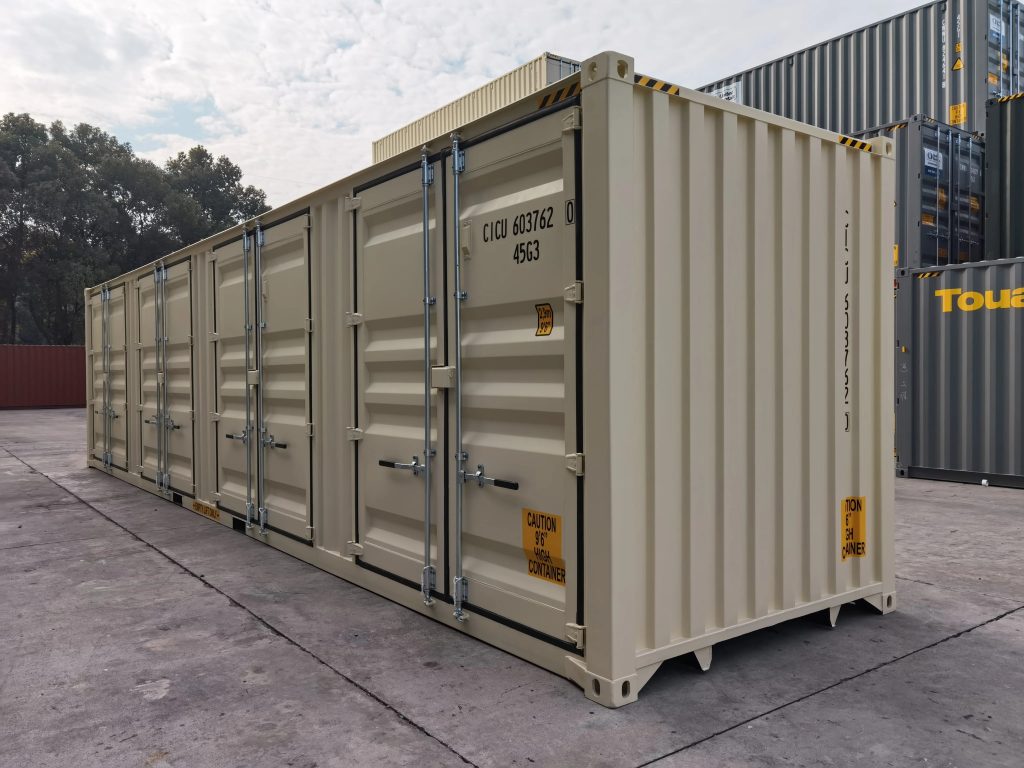
| High Cube Container | Offers extra height (9.5 feet), allowing more vertical space. |
| Refrigerated Container | Equipped with temperature control for perishable goods. |
| Open Top Container | Functions a removable tarpaulin for big devices and large items. |
| Flat Rack Container | Ideal for heavy products and machinery that require loading from the side. |
Aspects to Consider When Choosing a 20 Feet Container
When choosing a 20 feet container for shipping or storage, numerous aspects need to be thought about:
- Cargo Type: Determine the nature of the products being carried to select the proper container type.
- Weight Capacity: Ensure that the load does not go beyond the container's maximum gross weight limit.
- Handling and Transport: Consider how the container will be handled at ports and throughout transportation. Pick containers with functions that alleviate filling and unloading.
- Environmental Conditions: If shipping perishable goods, think about containers that preserve internal environments or if the cargo is sensitive to moisture.
- Compliance with Regulations: Verify that picked containers fulfill regional and international shipping policies.
Regularly Asked Questions (FAQ)
- What is the maximum capability of a 20 feet container?The common maximum capacity is around 24,000 kg(53,000 lbs)for basic freight, varying based upon container type and style. Can a 20 feet container be delivered by air?Generally, shipping
- containers are designed for maritime transport
. However, specific containerized cargo may be transported through air freight, albeit in customized formats. What are the distinctions between a basic and high cube container?A basic 20 - feet container has a height of 8.5 feet, while a high cube container has a height of 9.5 feet, offering extra vertical area for more cargo. Just how much does it cost to lease or acquire a 20 feet container?Costs can differ significantly based upon place, condition, and type of container
- , varying from a few hundred to several thousand dollars. Can 20 Ft Container Size ?Yes,
many business provide personalization alternatives for containers, enabling modifications such as ventilation, insulation, doors, and windows. - The 20 feet container stands as an essential aspect in the realm of international trade and logistics, owing to its practicality and flexibility. Understanding its features, advantages,
applications, and the elements affecting its selection can aid businesses in making notified choices relating to shipping and storage options. As markets continue to evolve, the 20 feet container will likely remain a cornerstone in managing the flow of goods worldwide.